Services
Remodeling & Construction Services in Plano & DFW
Everything below is work NRS performs directly as your general contractor — 27 trades, organized the way we actually run jobs.
Most people arrive at a contractor's services page knowing what they want the result to be and not what the work is called. That is entirely normal — the trades have their own vocabulary, and the boundaries between them are not obvious from outside.
This page is organised to fix that. It explains what a general contractor actually does, how the four categories of work relate to one another, and how to work out which trades your particular project needs — so that when you talk to us or to anyone else, you can describe the job in terms that produce a comparable quote.
What a general contractor actually does
A specialist trade does one thing. A general contractor is responsible for the whole project: the scope, the schedule, the sequence in which trades work, the coordination between them, the inspections, and the result. On a job involving one trade, you may not need one. On a job involving six, the coordination is most of the work.
The value is easiest to see at the joints. A remodel rarely fails inside a single trade — the tile setter usually sets tile competently and the plumber usually plumbs competently. It fails between them: the substrate was not ready, the rough-in was in the wrong place, the waterproofing was cut into after it was finished, and each trade can point at the other. When one company owns all of them, there is no gap to argue over and one name on the outcome.
The second thing a general contractor owns is sequence. Every trade depends on another finishing correctly and on time, and the order is not negotiable — waterproofing before tile, rough-in before drywall, cabinets before countertop template. Getting that order wrong is what turns a twelve-week project into a twenty-week one.
How the four categories fit together
We group our work the way projects actually assemble rather than alphabetically. Remodeling covers the projects that change how a house lives — whole homes, kitchens, bathrooms and new rooms. These are the projects that consume the other three categories: a kitchen remodel is a remodeling project that draws on interior construction, sometimes general construction, and occasionally exterior work as well.
Interior construction is the set of trades that decide whether a finished room looks finished — framing, drywall, flooring, tile, painting, carpentry, cabinets and countertops. These are where quality is most visible after the fact and where the difference between competent and excellent work is largest.
Exterior construction is the envelope and everything outside it: roofing, gutters, siding, stucco, windows, doors, fencing, patios, decks and pergolas. In North Texas this category carries an unusual amount of weight because of hail, sustained UV and the seasonal soil movement that affects anything fixed to the ground.
General construction covers the structural and site work underneath everything else — concrete, masonry, insulation, demolition, and the running repair list every house accumulates. Unglamorous, and the category most likely to determine whether the visible work lasts.
Working out what your project actually needs
A useful shortcut: describe the outcome you want, then work backwards through what has to be true for it to happen. These are the four shapes most projects take.
One trade, one problem
Choose it when
A single defined job with a clear boundary — a failed roof, a floor to replace, a room to repaint, a fence to rebuild.
Watch for
Check whether the visible problem has an invisible cause. A stained ceiling is a roof or plumbing question before it is a drywall one.
One room, several trades
Choose it when
A kitchen or bathroom. Demolition, framing, plumbing, electrical, drywall, tile, cabinetry, stone and paint, in that order, with an inspection in the middle.
Watch for
This is where coordination starts to matter more than any individual trade's skill. The sequence is the project.
Several rooms, one schedule
Choose it when
A floor of the house, or a whole-house renovation. The trades are the same but the dependencies multiply, and long-lead items start controlling the timeline.
Watch for
Decisions become the critical path. Everything waits on selections, and one late choice moves the finish date.
New structure
Choose it when
An addition or a conversion. Everything above, plus foundation, roof integration and the systems capacity of the existing house.
Watch for
The longest front end of any project type — feasibility, engineering and permitting all happen before anything visible does.
How to compare quotes so they are actually comparable
Two proposals for the same project can differ by a great deal and both be honest, because they are describing different work. These are the things to line up before you compare totals.
Is the scope written line by line?
A number without a scope is not a quote. You cannot hold anyone to a total.
Are allowances identified and set at the same level?
An allowance is a placeholder for a decision you have not made. Two bids with different tile allowances are not comparable no matter how similar the totals look.
Who pulls permits, and which trades need inspection?
If a bid assumes no permits and another includes them, that difference is not a saving.
What contingency is recommended?
On any house with age, opening walls reveals things. A bid with no contingency has moved that risk onto you without saying so.
What is included in demolition and disposal?
Frequently the difference between two otherwise identical bids, particularly where tile or multiple flooring layers are coming out.
What does the payment schedule tie to?
Completed milestones rather than calendar dates. Front-loaded schedules deserve a question.
Who is on site daily, and who holds the schedule?
You want a name. On multi-trade work this single answer predicts the experience more than any other.
The projects we are asked for most
Each of these pages goes into genuine depth on planning, materials, sequence and what drives cost.
- Kitchen remodelingLayout before selections, cabinetry grades, countertop trade-offs, and the sequence a kitchen runs in.
- Bathroom remodelingWaterproofing assemblies, moving fixtures on a slab, ventilation, and the decisions made before demolition.
- Full home remodelingPhasing, allowances and contingency, the decision calendar, and living through the work.
- Room additionsFeasibility, the foundation joint on expansive clay, roof integration and matching new to old.
- FlooringSubstrate flatness, slab moisture, and which materials genuinely survive in this region.
- RoofingTelling real hail damage from a sales pitch, how a claim runs, and the assembly under the shingles.
Where we work
We are based in Plano and build across the metroplex. These market pages cover what is actually different about the housing stock in each — the eras they were built, what that produces, and the projects each market asks for.
- PlanoEarly-1990s median housing stock and the compartmented floor plan everyone wants opened.
- FriscoA 2000s housing stock reaching its first component-replacement cycle.
- McKinneyTwo markets in one city — a historic pier-and-beam core and a modern north.
- DallasPre-war period architecture on constrained lots, frequently pier-and-beam.
- The full territoryEvery community we serve across Dallas–Fort Worth.
Remodeling
The projects that change how a house lives — whole homes, kitchens, bathrooms and new rooms, managed end to end by one contractor.
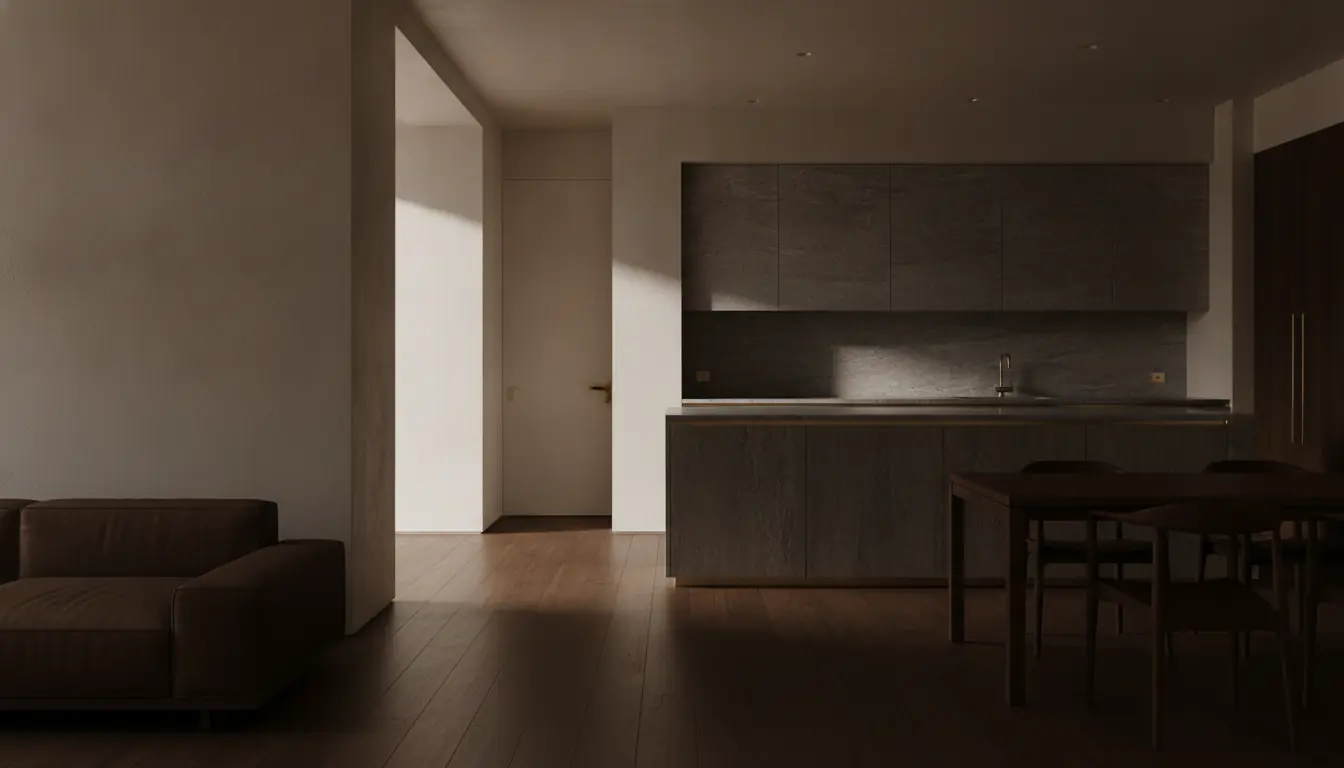
Full Home Remodeling
Whole-house renovation under one contract — design decisions, demolition, trades and finish work sequenced by one team.
Kitchen Remodeling
From cabinet refresh to full gut-and-relayout — the room that sells houses and runs family life, done by one accountable team.
Bathroom Remodeling
Tub-to-shower conversions, primary bath overhauls and hall-bath refreshes — waterproofed right, because that's the part you can't see.
Room Additions
New square footage that reads as original construction — bedrooms, offices, in-law suites and extensions, foundation to finish.
Interior Construction
The trades that decide whether a remodel looks remodeled — floors, tile, walls, framing, paint, cabinetry and counters.

Flooring
Wood, laminate, luxury vinyl plank and tile flooring — installed flat, tight and square on properly prepared slabs.
Tile Installation
Floors, showers, backsplashes and fireplaces — set flat, spaced true, on the right substrate.
Drywall
Hanging, taping and finishing to a level that disappears under paint — plus repairs that don't leave a ghost patch.
Framing
Structural and partition framing — new walls, removed walls, engineered beams and the bones of every addition.
Painting
Interior and exterior painting with the prep that makes it last — because paint is 80% what happens before the paint.
Carpentry
Finish carpentry, trim, built-ins and custom woodwork — the details that make a house look finished.
Cabinets
New cabinet installation, refacing and hardware — hung level, scribed tight, doors aligned.
Countertops
Granite, quartz and butcher block — templated precisely, supported properly, seamed where you won't notice.
Exterior Construction
The envelope and the outdoors — roofing, gutters, siding, windows, doors, fencing, patios, decks and pergolas built for North Texas weather.
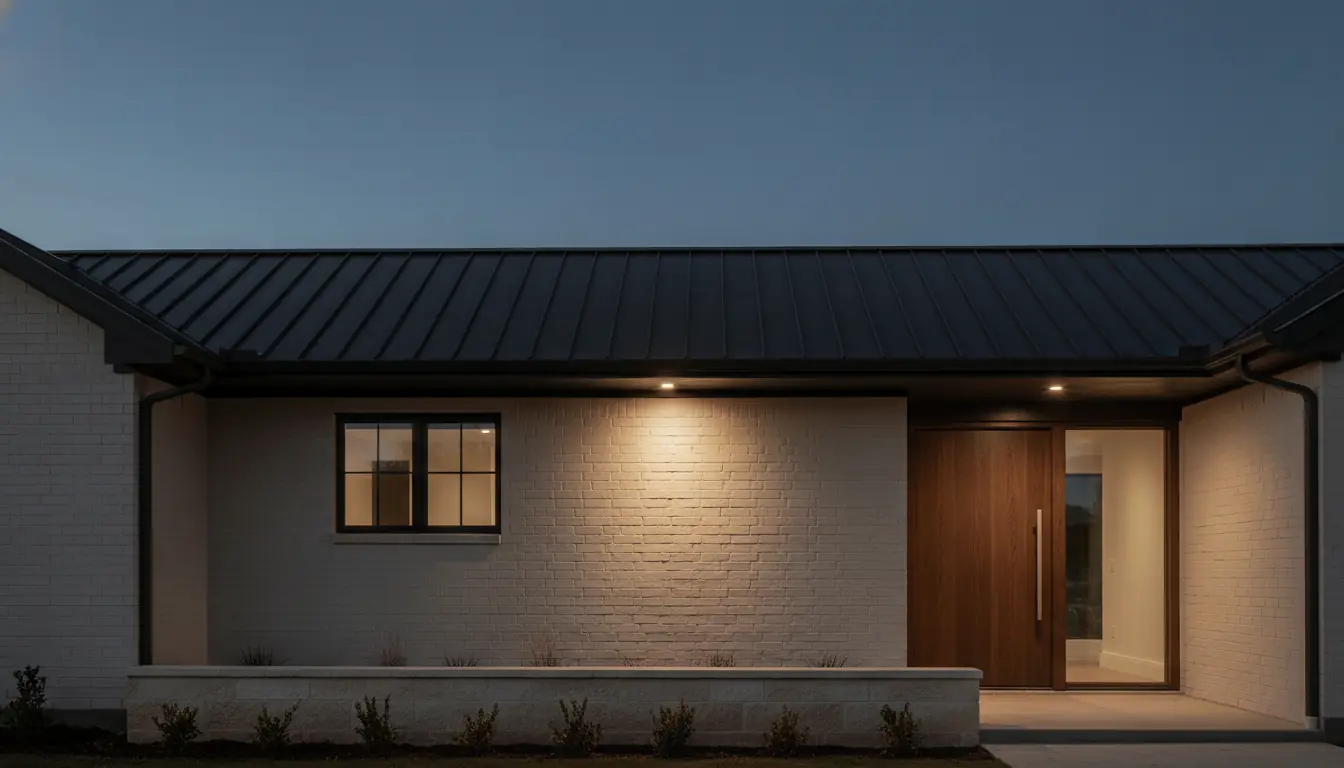
Doors
Interior, entry and patio doors — hung plumb so they latch softly, seal tight and swing true.
Windows
Window replacement that actually seals — flashed, insulated and finished, sized for Texas heat.
Roofing
Repairs and replacement for the roofs North Texas hail actually tests — documented honestly, installed right.
Gutters
Seamless gutters, correct slopes and downspouts that discharge away from the slab — which in DFW is foundation care.
Siding
Siding and trim repair or replacement — rot cut out, water managed, finished to survive Texas sun.
Stucco
Stucco patching, crack repair and refinishing — matched in texture so the repair disappears.
Fencing
Wood and metal fencing set to survive Texas wind and sun — posts done right, because fences fail at the post.
Patios
Concrete and paver patios that drain away from the house and stay flat on moving soil.
Decks
Wood and composite decks framed to code and flashed at the house — because the ledger is where decks fail.
Pergolas
Shade structures that make Texas backyards usable — anchored, proportioned and built to stay square.
General Construction
Concrete, masonry, insulation, demolition and the running repair list every house accumulates — handled properly, not patched.
Insulation
Attic and wall insulation for the climate that tests it hardest — cooler summers upstairs, saner bills.
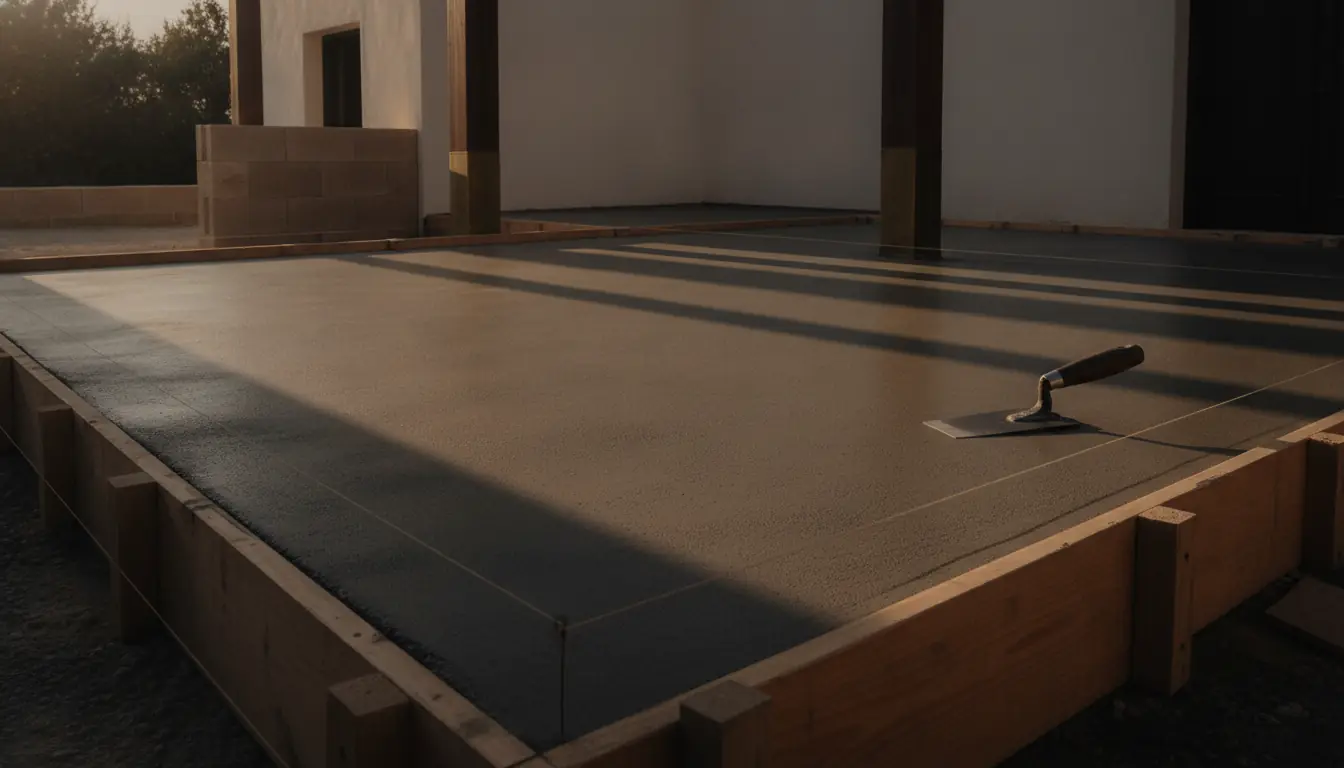
Concrete
Driveways, walkways, slabs and patios — poured on prepared base with the joints and reinforcement DFW soil demands.
Masonry
Brick and stone repair, mailboxes, columns and veneer — mortar matched so the fix doesn't show.
Demolition
Interior and selective demolition done in the right order, contained, and hauled away — the clean start every remodel needs.
General Repairs
The accumulating list every house has — fixed properly in one visit stream, by a contractor who can also fix the cause.
The next step
Not sure which service your project is?
Describe the job in plain words — scoping it correctly is our half of the conversation.